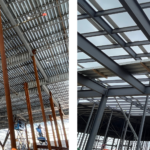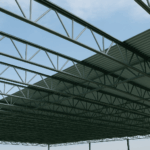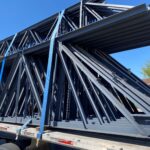
Open-web steel joists are a critical component in modern commercial and industrial construction. Designed for strength, efficiency, and versatility, these lightweight structural members support floors and roofs across a wide variety of building types. Whether you’re planning a warehouse, retail center, manufacturing facility, or school, understanding the different joist types and their specifications helps ensure safe, cost-effective, and high-performing structures.
In this guide, we’ll break down what open-web steel joists are, their purpose, thickness and span capabilities, the benefits they offer, and the common use cases where they excel.
What Is the Purpose of Open-Web Steel Joists?
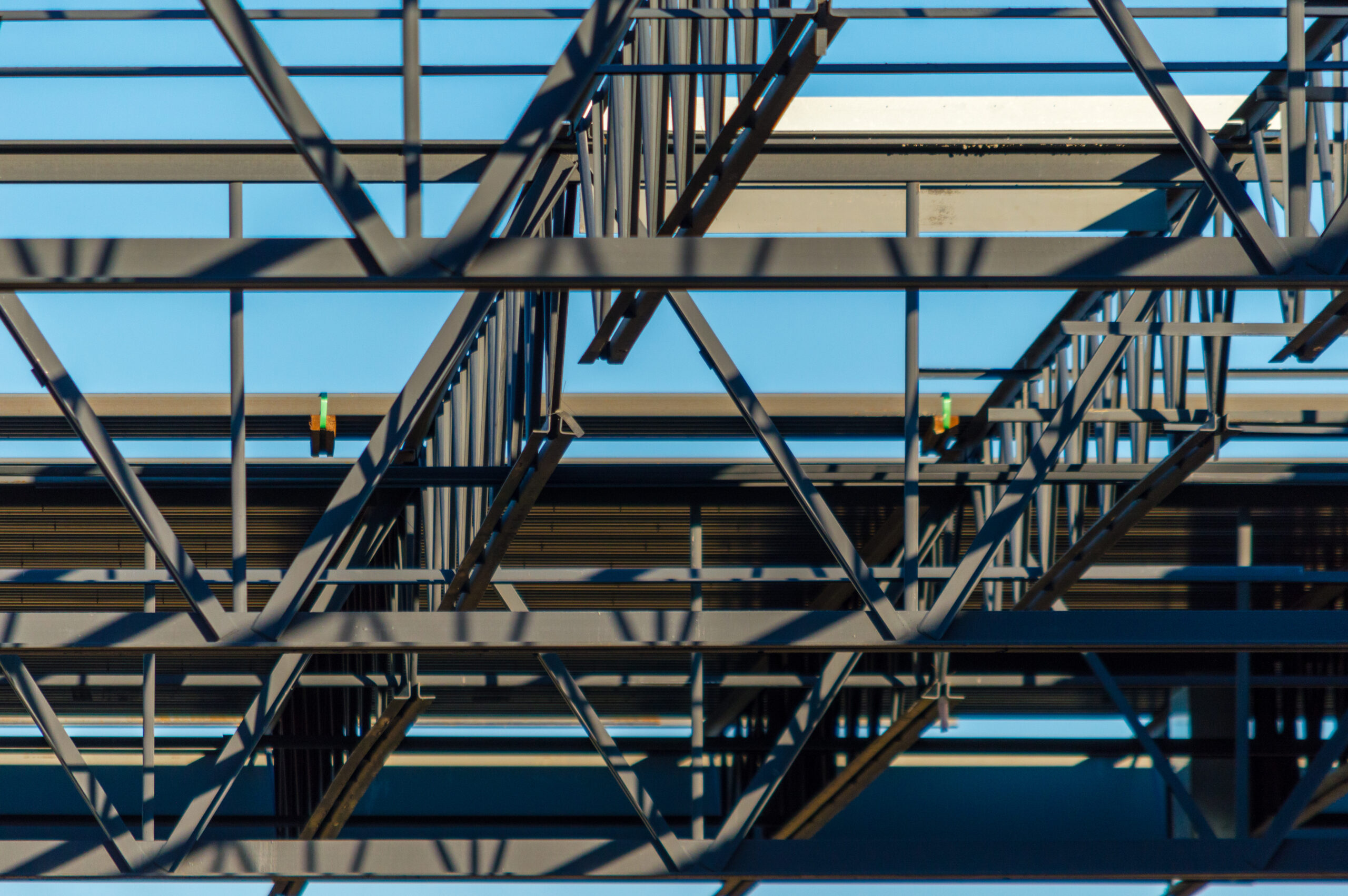
Open-web steel joists are engineered truss-like members designed to support floors and roofs by efficiently carrying loads across long spans. Their primary purpose includes:
- Providing high load-carrying capacity with minimal weight: The triangulated web configuration maximizes strength while reducing unnecessary material.
- Allowing easy routing of mechanical, electrical, and plumbing systems: The “open web” design creates natural pathways for ductwork, pipes, and conduits without drilling or modification.
- Reducing construction time and cost: Lightweight components arrive ready for installation and allow faster erection compared to heavier structural steel sections.
Types of Open-Web Steel Joists
Open-web steel joists are categorized by the Steel Joist Institute (SJI). The main types include:
K-Series Joists
- Standard joists used primarily in roof and floor systems with relatively short to moderate spans.
- Depth range: 8 to 30 inches
- Span capability: up to 60 feet (depending on load)
LH-Series (Longspan) Joists
- Designed for longer spans where greater depth is acceptable.
- Depth range: 18 to 48 inches
- Span capability: 96 to 144 feet (project-specific)
DLH-Series (Deep Longspan) Joists
- Engineered for very long spans, typically for stadiums, arenas, and large open-floor facilities.
- Depth range: 52 to 72 inches
- Span capability: up to 240 feet
How Thick Are Open-Web Steel Joists?
In the context of joists, “thickness” refers to the steel shapes used to fabricate the top chord, bottom chord, and web members, rather than a simple uniform thickness.
Typical thicknesses include:
- Chord members: Made from angles or structural shapes ranging approximately from 1/8 inch to 3/8 inch (0.125″–0.375″), depending on load requirements.
- Web members: Usually constructed from round bars, double-angles, or other shapes ranging from 3/16 inch to 1/2 inch.
Exact thickness varies depending on:
- Joist series (K, LH, DLH)
- Span requirements
- Load conditions
- SJI specification requirements
A structural engineer or joist manufacturer determines the appropriate thickness for each project.
What Are The Benefits of Using Steel Joists?
Open-web steel joists offer a range of advantages that make them a top choice across the construction industry. Three of the most important benefits include:
1. Lightweight but Strong Structure
Open-web joists deliver exceptional strength-to-weight ratios, allowing longer spans with less steel. This reduces overall structural weight and can lower foundation and framing costs.
2. Design Flexibility & Easy MEP Integration
The open-web geometry leaves space for HVAC ducts, sprinkler lines, and electrical conduits. This reduces the need for coordination cuts and minimizes clashes between structural and mechanical systems.
3. Faster, More Cost-Efficient Construction
Steel joists are prefabricated under controlled conditions, ensuring consistent quality and fast installation. Their lightweight allows for quicker crane placement and reduces onsite labor costs.
Additional advantages include fire-resistance options, long-term durability, and compatibility with metal decking systems.
Common Use Cases for Open-Web Steel Joists
Open-web steel joists are used in nearly every type of commercial and industrial project, including:
- Warehouses and distribution centers: Long spans and unobstructed interiors make joists ideal for storage facilities.
- Retail stores and shopping centers: Roof joists support large open areas with minimal columns.
- Manufacturing plants: Efficient routing of utilities through joist webs supports complex mechanical systems.
- Schools and municipal buildings: Cost-effective, durable solutions for gyms, auditoriums, and classrooms.
- Sports arenas and event venues: Deep longspan joists create clear-span spaces for large occupancy areas.
- Office buildings and multi-story facilities: When paired with composite or non-composite decking, joists provide strong, flexible floor systems.
Understanding the Value of Open-Web Steel Joists
Open-web steel joists continue to be a cornerstone of modern construction because they offer unmatched efficiency, versatility, and strength. Understanding the different types, span capabilities, and benefits helps architects, engineers, and builders choose the right joist system for each project.
If you need assistance sourcing high-quality steel joists or designing the right system for your next build, contact us today. We are here to help.